
Study Program
Fruit Growing and Viticulture (in the process of reaccreditation)
Undergraduate Academic Studies

Study Program Leader
Dr. Biserka Milić
Head of the Department of Fruit Science and Viticulture
Level of Study
Undergraduate Academic Studies UAS
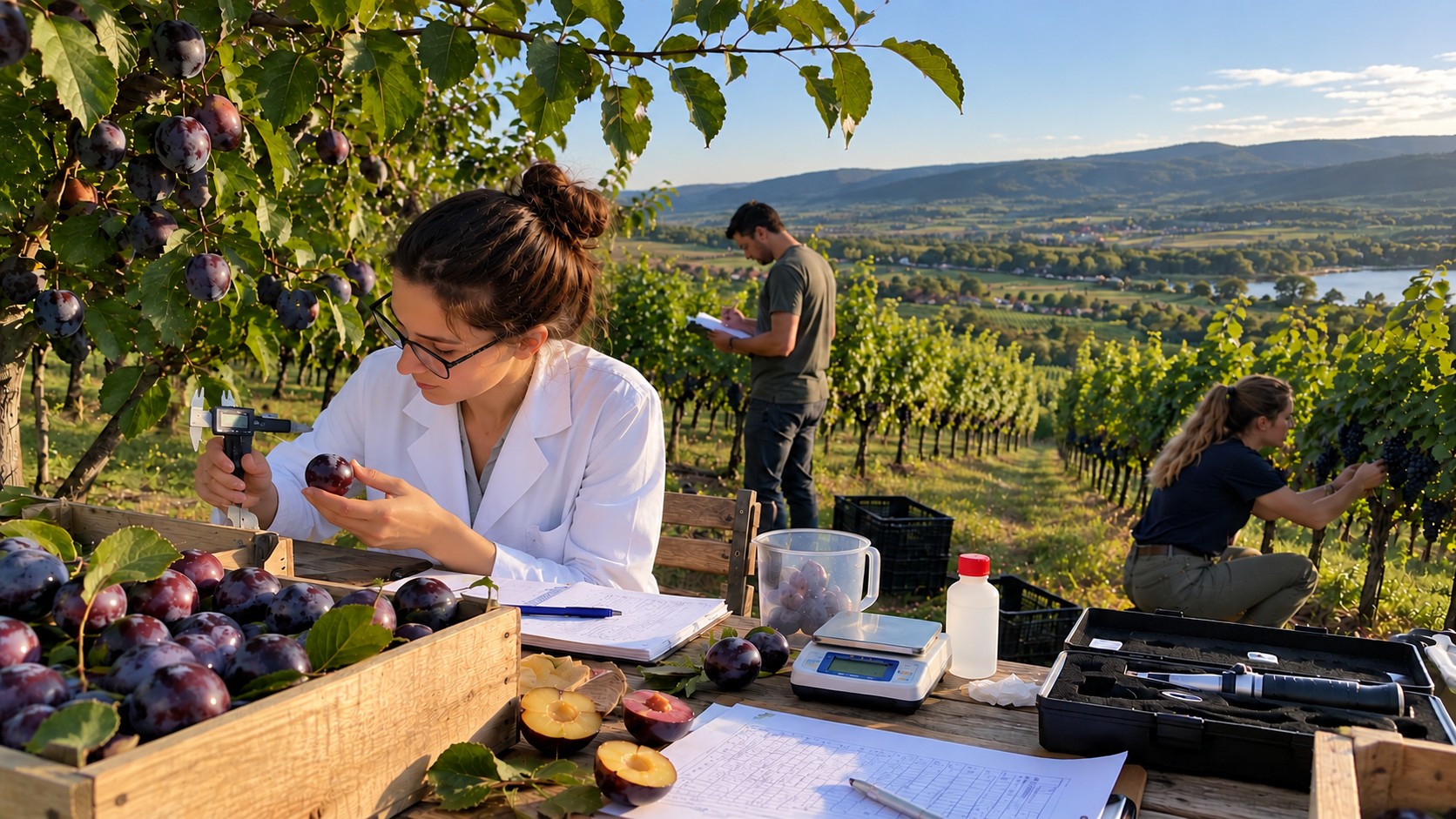
The purpose of the Fruit Growing and Viticulture study program is to educate students for the profession of Bachelor of Science in Agriculture in accordance with the needs and development of society and economy. The study program is designed to educate highly competent experts with knowledge and skills that enable them to work in various spheres of fruit growing and viticulture. The foundation of this study program in the first year of study provides a broad base of knowledge necessary for graduate engineers as academic citizens who form an important part of society, while highly specialized subjects in higher years of study enable the acquisition of a high level of knowledge and skills required in modern agricultural production. Through a three-year professional internship, the Fruit Growing and Viticulture study program provides the necessary combination of knowledge and practice recognized by the state and economy as the basis of education. At the same time, the Fruit Growing and Viticulture study program is an excellent starting point and stepping stone for further education and for scientific and research work, which is also an important segment of social development.
Why enroll in the Fruit Growing and Viticulture study program?
The aim of the study program is to educate and train students to engage in direct work and organization of fruit, grape, and planting material production outdoors, in protected spaces, and in nurseries. During their studies, students acquire modern knowledge about the biological characteristics of fruit trees and grapevines and master the technology of their production. The study program also aims to encourage critical and analytical thinking, develop abilities for teamwork, cooperativeness, and communication, as well as acquire specific practical skills necessary for successful professional work. A special goal of the program is to develop students’ awareness of the importance of lifelong learning even after graduation, in accordance with the principles of sustainable development. The program is also aimed at educating experts who possess the knowledge and skills for professional communication and presentation of work results to the professional and general public. By focusing on modern and high-quality study programs, such as Fruit Growing and Viticulture, the Faculty enables the study program to develop further while taking into account actual educational needs in a specific agroecological and economic environment. The diploma obtained in this study program reflects the possession of knowledge and skills required by the economy, especially in agricultural sectors experiencing high technological development, among which fruit growing and viticulture are leaders.
Where can you find employment after graduation?
After graduation, graduate engineers can work in:
- fruit growing and viticulture production companies,
- wineries,
- fruit and grape production and processing companies,
- nurseries and planting material production companies,
- companies providing agrotechnical services,
- agricultural extension services,
- research institutes and scientific organizations,
- state and private institutions dealing with agricultural development and natural resource management
Study Program Characteristics
- Level of studyUndergraduate
- Duration8 semesters
- ECTS credits240
- Subjects51
- LanguageSerbian
- Students50
First year
Winter semester
Second year
Winter semester
Third year
Winter semester
Summer semester
Fourth year
Winter semester
Summer semester
The Fruit Growing and Viticulture study program of undergraduate academic studies is in the process of reaccreditation. The documentation has been submitted to the National Accreditation Body of Serbia. A positive opinion from the review committee is expected in the first half of 2027, along with the enrollment of a new generation of students in the 2027/2028 academic year.